
More variety in everyday meals
Simple ideas for Finnish and Nordic kitchens: change grains and vegetables through the week, add colour to your plate, and keep weekday dinners realistic. This site gives general lifestyle tips only—it is not medical advice.
Move the pointer over this block to see a soft highlight on the photo. The tips stay the same.
Tips by email
Optional editorial emails about shopping and cooking—no personalised diet plans or medical answers. Unsubscribe any time.
Prefer to read first? Open the plate guide
Why mix things up
Small changes add up
You do not need rare “superfoods.” Variety means eating different colours, textures, and foods you already like across the week. In a Finnish kitchen that might be rye bread one day, oats the next, and barley in soup later in the week. Try more than one kind of vegetable, switch proteins sometimes, and use both plant oils and fish if they fit your household.
Studies often talk about eating from several food groups over time—not about one magic ingredient. That is how real weeks look: a handful of frozen peas, shredded cabbage, or berries from the freezer when fresh fruit costs more. You do not need a perfect plan; you just need enough small swaps so dinner is not the same beige plate every night.
Cooking ahead saves time but can feel boring, so add a quick finish: fresh dill, lemon, or pickles. The other pages on this site each go deeper on one topic. The links are also in the footer.
A simple lunch
Reuse dinner in a bowl
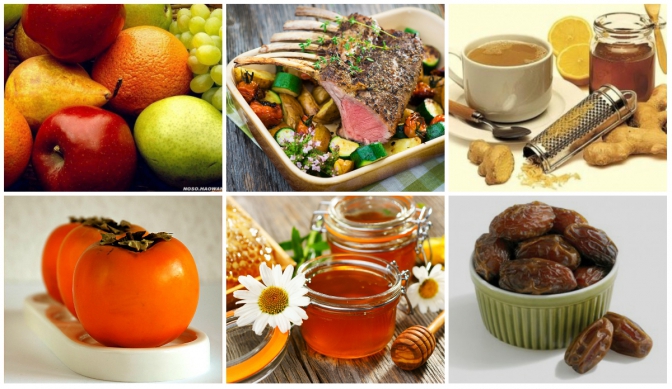
Think of grains on the bottom, yesterday’s roasted vegetables, a spoon of yogurt, and seeds you toasted once. That is variety without a new recipe every night. The photo is one example—your table can look simpler and still work well.
Winter in Finland is long, so cabbage, apple, and frozen berries are honest choices, not “less healthy” than summer fruit. Use the picture as an idea, not a rule.
- Warm the grains so the meal feels comforting.
- Add something crunchy on top (nuts or seeds).
- Finish with herbs or pickles for fresh flavour.
Food safety at home
Safe habits at home
Wash hands before you touch food that will not be cooked again. Put shopping in the fridge soon after you get home. Thaw meat and fish in the fridge or under cold water, not on the counter all day. Use a separate cutting board for raw meat or fish if you can.
Write dates on leftovers. Heat soup and stew until steam rises through the whole pot; stir once while reheating. Pack dairy or cut fruit with a cool pack for long days away from home.
Cold storage
Keep fridge at safe operating temperatures; leave air gaps so air circulates.
Heat
Use timers; tie back loose sleeves when working at the hob.
Allergies
Read ingredient lists every time—recipes in factories can change. For diagnosed allergy or coeliac disease, follow your clinician’s plan; our pages are not a substitute.
These reminders are general home-kitchen hygiene only—not a food safety course, workplace HACCP, or personal medical guidance.
Events calendar
Events in Vaasa in 2026
Small group talks about shopping and cooking—not therapy or medical visits. Bring a notebook if you want. Places are limited; write to us to book.
| When | What | Where | How to join |
|---|---|---|---|
| 24 May 2026 | Open pantry Q&A | Vaasa studio | Message us |
| 14 June 2026 | Herb walk + soup tasting | Near inner harbour | Message us |
| 3 August 2026 | Berry freezer mapping | Studio kitchen | Message us |
Address, map, and form are on the contacts page.
What research means here
From studies to shopping lists
Research on varied diets often counts how many food groups people eat in a week. We turn that into simple shopping ideas: two kinds of cabbage, a new type of lentil, or frozen lingonberries in porridge instead of always using the same fruit.
We skip hype and miracle words. We describe patterns you see in public health guides in Nordic countries—more vegetables over time, different protein sources, a mix of fats. When new studies disagree with old news, we say that clearly.
This week: write down five vegetables or fruits your family already eats. Use them in different meals—no need to buy expensive new items.
FAQs
Common questions
Is this site tailored to athletes?
We write for everyday households. If you train heavily, a sports dietitian can align fueling to your sessions; our pages stay general.
Do you publish exact calorie counts?
Rarely. We describe portions in everyday language for interest only—not for clinical meal plans, weight-loss targets, or prescriptions from a dietitian.
Can I reuse your text in my newsletter?
Ask first. Short quotes with attribution may be fine; wholesale copying is not. See terms of use.
How do you get through dark Finnish winters?
We use frozen vegetables and berries, ferments, and a little citrus for brightness. We do not pretend it is summer all year.
What we avoid saying
No miracle cures or scary claims
We do not promise cures, show dramatic before-and-after stories, or use doctor-style language we are not qualified to use. We do not rank bodies or shame food choices.
We prefer clear, everyday habits: an extra vegetable in soup, rye bread back in the week after many pasta nights, a fruit bowl where people can see it. When a topic is medical—supplements, strict elimination diets, symptoms—please speak with a professional who knows your history.
Next step
Pick one topic and try it for a week
Small steps stick better than reading everything at once. Choose one page below and test one idea for seven days.